 Photo: Nano Erdozain
The Best BBQ Sauce Pairings for Brisket, Pulled Pork, and Wings
Sauce is a finishing note, not a cover-up. Here's how to match the right BBQ sauce to each protein — and when to skip sauce entirely and let the smoke speak.
The Sauce Debate
In BBQ, few topics generate more heat than sauce. Texas purists will tell you that sauce on brisket is an insult to the craft — the meat should stand alone on the quality of the smoke and the cook. Kansas City devotees will load their ribs with a thick, glossy, sweet-and-tangy sauce and defend it with equal conviction. Both are correct in their context.
Our position: sauce is a finishing note, not a correction. Great smoked meat that requires sauce to be palatable isn't great smoked meat. But great smoked meat with a well-matched sauce that complements and amplifies its specific flavor profile? That's a thoughtful pairing, the same way a good wine matches a good cheese.
Here's how we think about sauce for each protein we serve.
Brisket: Less Is More, When It's Right
Brisket is the protein we're most protective of regarding sauce. Our smoked-and-sous-vide brisket has been in the smoker for 5 to 6 hours and in the water bath for up to 36 hours. The flavor is deeply developed — smoke, rendered fat, salt-and-pepper bark, the mineral taste of the beef itself. A heavy sauce will simply cover this up.
When we do sauce brisket, we use one of two approaches:
Texas-style vinegar-forward. A thin, acidic sauce based on apple cider vinegar, black pepper, and a small amount of tomato. No sugar, or very little. This style brightens the beef flavor rather than masking it, and the acidity cuts through the fat cap beautifully. Apply at service, not during cooking.
A jus reduction. The liquid that accumulates in the sous vide bag during the finishing phase — a concentrated combination of beef juices, rendered fat, and smoke compounds — makes an extraordinary natural brisket sauce when poured back over sliced meat at service. We always collect and use this liquid. It is, essentially, the most perfectly flavored brisket sauce you can produce because it was made by the brisket.
What to avoid: heavy, sweet, Kansas City-style sauces on brisket. The sugar competes with the bark caramelization, the thickness coats rather than complements, and the tomato base can make beef taste oddly sweet. Save the Kansas City sauce for what it was designed for.
Pulled Pork: Sweet and Acidic Both Work
Pulled pork is more accommodating to sauce than brisket because pork's natural sweetness and lower intensity allow sauce flavors to integrate rather than clash. Our pulled pork shoulder gets a long oak-and-pecan smoke phase, which produces a mellow, nutty flavor profile that pairs well with multiple sauce styles.
Carolina vinegar sauce (Eastern style). Pure apple cider vinegar, red pepper flakes, salt, a small amount of sugar. Thin, pungent, transformative. When you toss pulled pork in Eastern Carolina sauce and let it sit for five minutes, the vinegar tenderizes the surface further, the pepper flakes add heat, and the pork becomes something bright and vivid rather than heavy. This is the standard we serve alongside pulled pork at most events.
Lexington-style (Western NC) red dip. A middle ground — vinegar base plus tomato and a small amount of brown sugar. Slightly thicker, slightly sweeter than pure Eastern. Works well for crowds who find pure vinegar sauce too sharp.
Sweet and smoky (Kansas City style). Thick, tomato-heavy, molasses-sweet. Works on pulled pork, particularly for catered events where the pulled pork will be held in a tray for an extended service window. The thickness helps the sauce stay in the meat during holding. This is the style most crowd-accessible, and for large mixed-audience catering events, we often offer it alongside an Eastern vinegar option so guests self-select.
Chicken Wings: High-Heat Finish, Sauce at Service
Our wings go through a smoke-then-sous-vide process that produces a fully cooked wing with deep smoke penetration and a well-rendered skin. The final step is a high-heat finish — either on a hot grill section or under a broiler — that crisps the skin before service.
Sauce on wings works best applied immediately after the high-heat finish, while the skin is still hot enough to set the sauce. Applied cold, sauce slides off. Applied to a hot, crisped skin, it adheres and glosses.
Buffalo-style (hot sauce + butter). The classic. Frank's RedHot or similar, melted butter, a splash of apple cider vinegar. The acidity cuts the richness of the smoke and the butter. Hot enough to register, not nuclear. Works perfectly against the hickory smoke notes in our wings.
Alabama white sauce. A mayonnaise-based sauce with apple cider vinegar, horseradish, black pepper, and lemon. Rich, tangy, slightly creamy. Unusual for wings but remarkably effective — the richness plays against the crispness of the skin and the smoke. We offer this at events where we want to showcase something unexpected.
Honey-garlic glaze. Honey, minced garlic, soy sauce, a splash of rice vinegar. Applied during the last minute of the high-heat finish, it caramelizes onto the skin and adds a glossy, sweet-savory layer. Best for audiences who prefer less heat.
When to Skip Sauce Entirely
The correct answer for any first bite of properly smoked BBQ is: no sauce. Try the meat as it comes. Understand what the smoke, the fat, and the cook have built. Then, if sauce adds something, add it.
We've had guests who've never been to a good BBQ joint add sauce immediately, reflexively, before tasting. We gently encourage them to try a bite first. Almost without exception, they set the sauce down.
That's the test. If you don't need the sauce after the first bite, the meat is what it should be. If you reach for sauce after the first bite because you want a different layer — brightness, acid, heat — rather than because you need to cover something up, that's appropriate sauce use.
Try It Yourself
Come taste the brisket and pulled pork alongside the sauce options we offer at the trailer. Or if you're planning a larger event, reach out about BBQ catering in Southwest Florida — we'll talk through which sauce styles work best for your audience and your menu. The conversation is half the fun.
For more from the kitchen, browse the full BBQ Recipes & Tips series.
Arthur Gumirov
Founder & Pitmaster · BBQ Art Co.
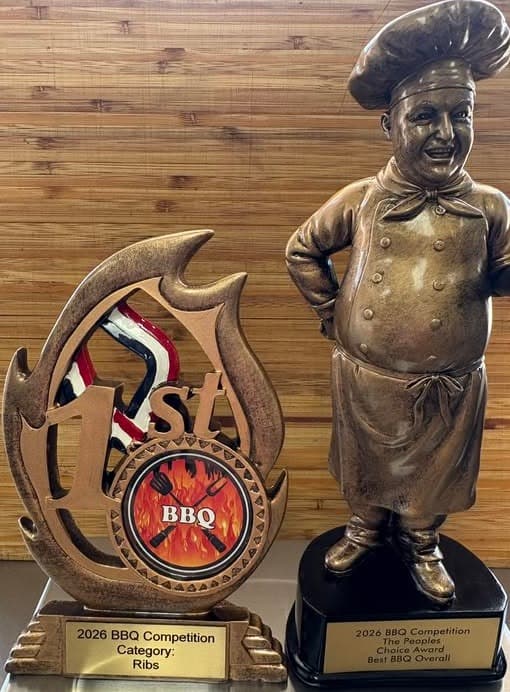
Known as “Art” at the truck, Arthur is the Lithuanian-born founder and pitmaster behind BBQ Art Co. He built the operation around a signature method — hardwood smoking finished sous vide — that earned Best BBQ Overall, People's Choice, 1st Place Ribs, and 1st Place Miscellaneous at the 2026 BBQ Competition. He personally oversees every cook and catering event across North Port, Venice, Sarasota, and the rest of Southwest Florida.
Meet the Pitmaster →Award-Winning BBQ, Catered to You
Hungry yet? Let’s feed your crew.
Weddings, corporate lunches, backyard parties — our smoked & sous-vide BBQ travels anywhere in Sarasota & Charlotte counties. Free quotes, fast replies.
Keep Reading

Cornbread That Actually Tastes Like Something: Our Recipe
Most BBQ cornbread is a delivery vehicle for butter. Ours has jalapeño, sharp cheddar, roasted corn, and a cast iron crust that makes it worth eating plain. Here's the recipe.

Smoked Baked Beans: Our 6-Hour Recipe With a Florida Twist
Beans cooked in the smoker for six hours pick up more flavor than anything you've made in the kitchen. Here's our full recipe, with a citrus-and-jalapeño Florida spin.

How to Reheat Smoked BBQ Without Drying It Out
Leftover smoked BBQ is precious. Here's exactly how to reheat brisket, pulled pork, and wings without losing the moisture, bark, and flavor you paid good money for.